Alert LA County
LA County Office of Emergency Management
Emergency alerts by text, email or phone call for your address: evacuations, shelter-in-place and other urgent instructions.
Register your home, work and school addresses.
Sign upWildfires, earthquakes, floods and heat waves are part of life in the Santa Clarita Valley. A few minutes now — signing up for alerts, packing a kit, knowing your evacuation zone — makes the hardest day a lot easier.
Evacuation orders and emergency instructions come from these official systems. Sign up for all of them; they're free.
Emergency alerts by text, email or phone call for your address: evacuations, shelter-in-place and other urgent instructions.
Register your home, work and school addresses.
Sign upEmergency notifications from the City during fires, storms and other incidents.
Text SCEMERGENCY to 888777, or sign up online.
Sign upRoad closures, public safety notices and community updates from the station.
Text your ZIP code to 888777, or follow the station page.
Station alertsLoud alerts that reach every phone in an area, with no sign-up. Make sure emergency alerts are turned on in your phone's settings.
Also: every LA County notification system in one place.
All county alert optionsInstall these before you need them. Apps marked Official are run by or for public agencies; the others are useful extra eyes, but always follow official instructions.
LA County's evacuation system. Find your evacuation zone, see live evacuation orders and warnings, and locate shelters.
Nonprofit wildfire map with fire perimeters, aircraft and updates from radio scanners, run by experienced volunteers. Confirm evacuation orders with official sources.
Used by LA County Fire. Alerts CPR-trained people to a cardiac arrest nearby and shows the closest AEDs. Select LA County Fire as your agency.
Earthquake early warning for California from UC Berkeley, using the USGS ShakeAlert system: seconds of notice to drop, cover and hold on.
Crowdsourced alerts about nearby incidents. Useful for awareness, but not an official source. Always follow instructions from agencies.
When something is happening, these are the official sources. Rumors spread fast on social media; check here before you share.
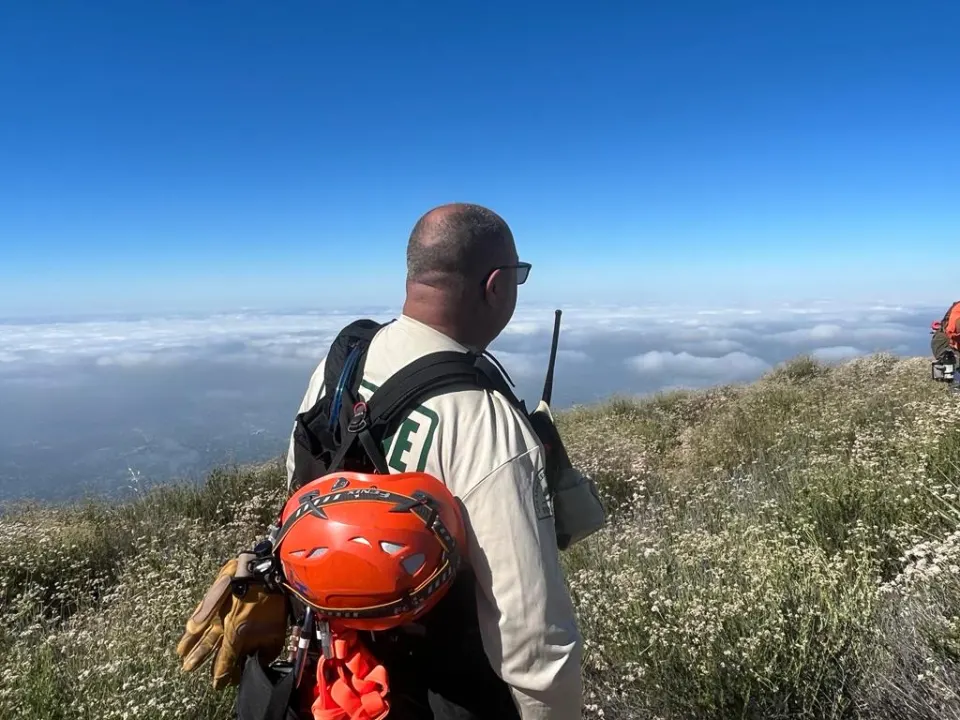
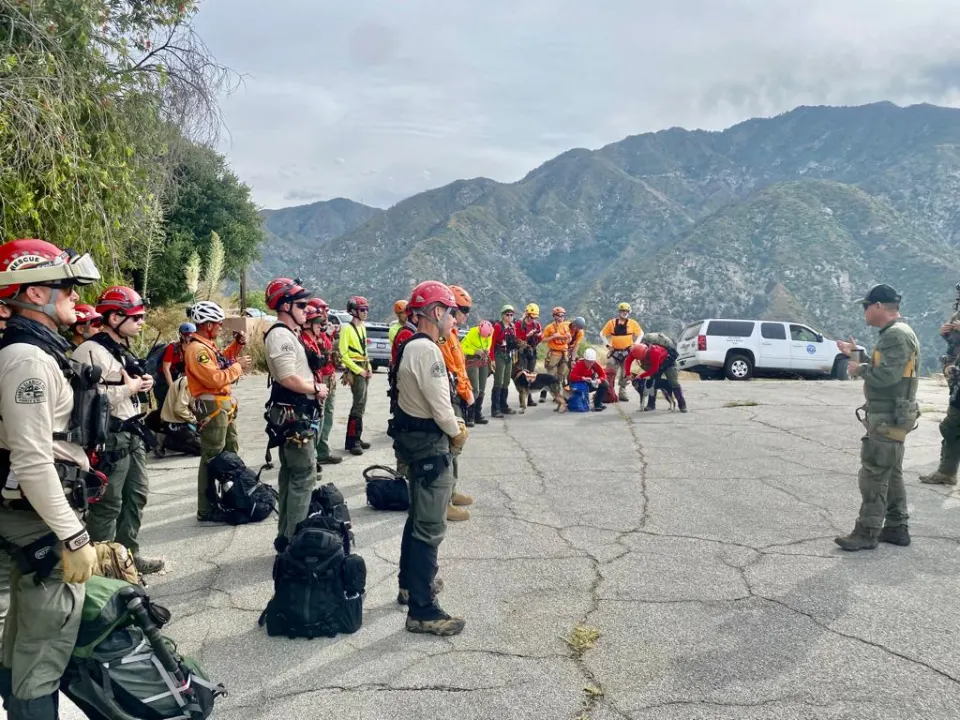
Most of our callouts start with a hike that ran longer, hotter or darker than planned. Leave a plan with someone, pack the Ten Essentials, and know what to do if you're lost or hurt.
The emergencies most likely to affect the Santa Clarita Valley, and what to do before, during and after each. Adapted from the LA County Emergency Survival Guide and Ready.gov.
Fire season in the Santa Clarita Valley runs most of the year. Wind-driven fires move fast, and evacuation orders can come with little notice.
Learn more: Ready.gov: Wildfires · Ready.gov: Evacuation · LA County guide (PDF)
The valley sits among several active faults and was hard hit in the 1994 Northridge earthquake. Shaking can start with only seconds of warning, so plan now.
Learn more: Ready.gov: Earthquakes · Earthquake Country Alliance · LA County guide (PDF)
Our dry washes, rivers and burn areas can turn dangerous within minutes of heavy rain.
Learn more: Ready.gov: Floods · LA County guide (PDF)
Summer temperatures in the valley regularly pass 100°F, and heat illness can become life-threatening quickly.
Learn more: Ready.gov: Extreme heat · LA County guide (PDF)
High winds and fire danger can lead to planned power shutoffs that last a day or more.
Learn more: Ready.gov: Power outages · LA County guide (PDF)
Keep supplies for at least 3 days for everyone in your home, including pets. Agree on a meeting place and an out-of-state contact everyone can call.
The County's complete guide to preparing for, getting through and recovering from disasters: wildfires, storms and mudslides, earthquakes, extreme weather and more, with checklists, first aid basics and phone numbers. From the Los Angeles County Office of Emergency Management.
The best way to be ready to help is a hands-on class. These organizations offer trusted guides and training. In an emergency, always call 911 first.
This page is general preparedness information, not medical or legal advice. Preparedness tips are summarized from the Los Angeles County Office of Emergency Management's Emergency Survival Guide and Ready.gov. Links go to outside organizations; the SCV Search & Rescue Team isn't responsible for their content. In an emergency, call 911.